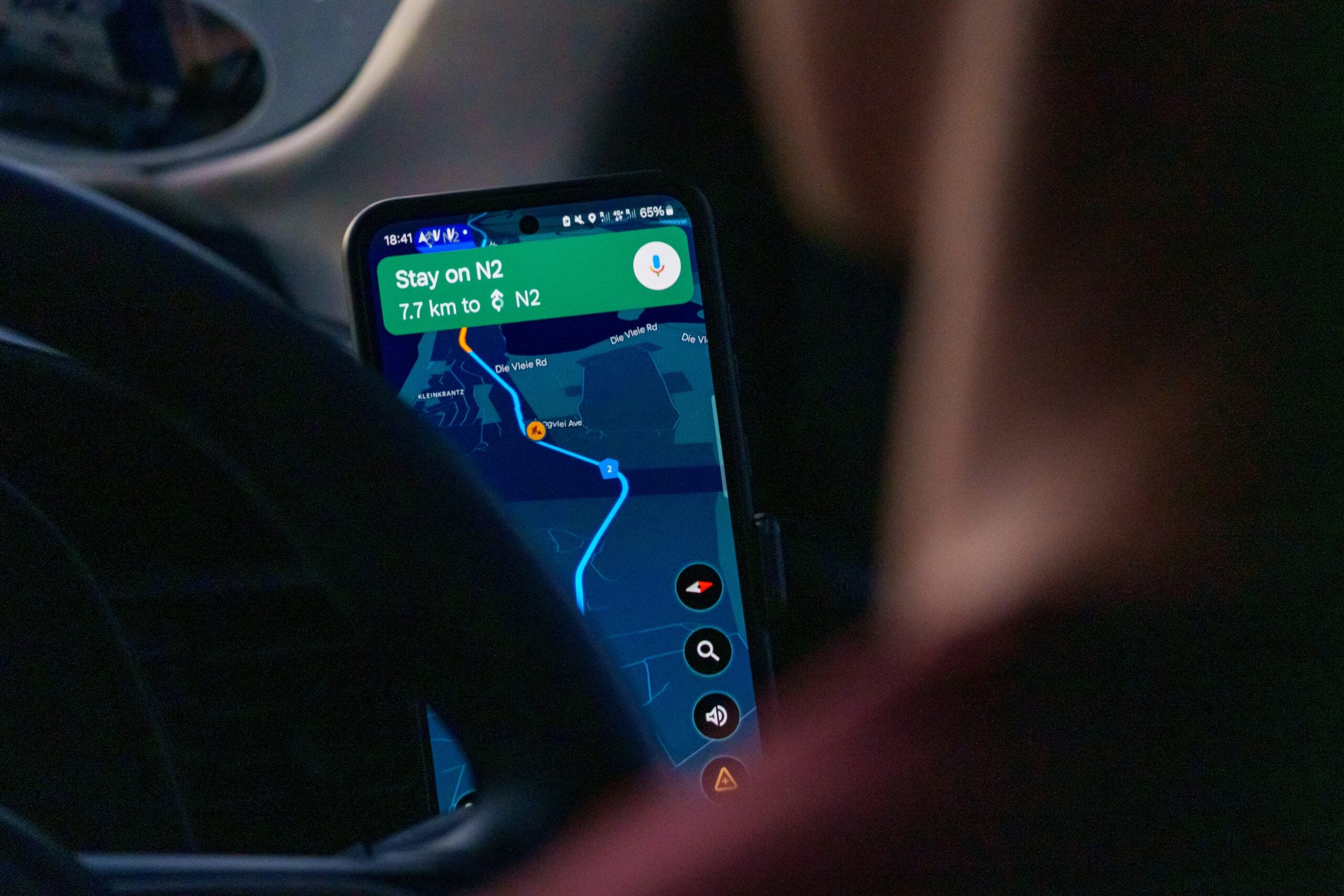
Here’s a question that keeps people up at night: can someone actually track you with your phone number?
The short answer is yes. And it’s easier than you think.
Your phone number isn’t just a way for people to call you. In 2026, it’s essentially a digital tracking beacon — connected to your location, your identity, your online accounts, and your personal data. The right person with the right tools can use nothing more than your phone number to find out where you live, where you work, and even where you are right now.
Your phone number is probably listed on hundreds of data broker sites right now — connected to your name, home address, and more. Run a free Optery scan to see exactly where your number is exposed. No credit card required.
In this guide, we’ll break down exactly how people can track you with your phone number, who’s actually doing it, and — most importantly — what you can do to stop it.
5 Ways Someone Can Track You with Your Phone Number
There are multiple methods people use to track someone using just a phone number. Some are used by law enforcement. Others are used by stalkers, scammers, and data brokers. Here are the most common.
1. Data Broker and People Search Sites
This is by far the most common — and the most alarming. Data brokers collect your personal information from public records, social media, purchase history, app usage, and other sources. They package it all together and sell it to anyone willing to pay.
When someone has your phone number, they can type it into a people search site like Spokeo, Whitepages, or BeenVerified and instantly pull up your full name, home address, email addresses, relatives, employment history, and more.
This doesn’t require hacking. It doesn’t require technical skills. It takes about 30 seconds and costs a few dollars — sometimes it’s even free.
Want to see what’s out there? Run a free Optery scan — it checks hundreds of data broker sites and shows you exactly where your phone number and personal information are listed. No credit card required.
2. Cell Tower Triangulation
Every time your phone connects to a cellular network, it pings nearby cell towers. By measuring the signal strength and delay from three or more towers, your location can be estimated — usually within about half a mile in urban areas.
Mobile carriers have access to this data at all times. Law enforcement can request it with a warrant. But there have also been documented cases of carriers selling location data to third parties — including bounty hunters and data brokers — without customer consent.
3. SS7 Network Exploits
SS7 (Signaling System 7) is the protocol that lets phone networks around the world communicate with each other. It was built in the 1970s and has known security flaws that have never been fully patched.
A skilled attacker who gains access to the SS7 network can track any phone’s location in real time using just the phone number. They can also intercept calls and text messages. This vulnerability has been demonstrated by security researchers and has been exploited in real-world surveillance operations.
You don’t need to be a government target to be affected. The tools to exploit SS7 have become more accessible over time, and security experts have warned that the vulnerability remains unresolved.
4. Tracking Links and Phishing
Someone with your phone number can send you a text message containing a tracking link. If you tap the link, your device’s GPS coordinates, IP address, device type, and browser information can be captured instantly — without installing any app.
These links are often disguised as package delivery notifications, account verification messages, or urgent alerts from your bank. This is the same technique used in text message scams (smishing) — but instead of stealing your password, they’re stealing your location.
5. SIM Swapping
In a SIM swap attack, a criminal convinces your mobile carrier to transfer your phone number to a new SIM card they control. Once they have your number, they can receive your calls and text messages — including two-factor authentication codes.
This gives them access to your email, bank accounts, social media, and anything else tied to your phone number. And since your phone number is now on their device, any location tracking tied to your number now points to them — not you.
Who Is Actually Tracking People by Phone Number?
It’s not just hackers in dark basements. Here’s who’s using your phone number to track and identify you:
Data brokers and advertisers. Companies like Acxiom, LexisNexis, and hundreds of people search sites maintain databases linking phone numbers to identities, addresses, and behavioral profiles. They sell this data to marketers, employers, landlords, and anyone else who pays. This is the primary way scammers build profiles on their targets.
Stalkers and abusive ex-partners. People search sites make it trivially easy for someone to find your home address using just your phone number. For domestic violence survivors, this is a serious safety issue.
Scammers and identity thieves. Your phone number is often the starting point for social engineering attacks. A scammer who knows your name, address, and phone number can impersonate you convincingly — or target you with AI voice scams that clone a family member’s voice.
Your mobile carrier. Carriers continuously collect your location data through cell tower connections. Despite regulations, carriers have been caught selling this data to third parties without customer knowledge.
Apps on your phone. Many apps request access to your phone number and location data during setup. Once granted, they can track your movements and sell that data to advertising networks and data brokers.
Your phone number is the thread that connects your entire digital identity. Once someone has it, they can pull on that thread to unravel your name, address, email, employer, family members, and more. The fastest way to cut that thread is to remove your phone number from data broker sites.
7 Ways to Stop People from Tracking You by Phone Number
You can’t change how cell towers or the SS7 network work. But you can dramatically reduce how much someone can learn about you — and how easily they can find you — using your phone number.
1. Remove Your Phone Number from Data Broker Sites
This is the single most impactful thing you can do. Your phone number is listed on dozens — possibly hundreds — of data broker and people search sites right now. Removing it cuts off the easiest way for anyone to connect your phone number to your identity and address.
You can do this manually by visiting each data broker site and submitting opt-out requests. We’ve written step-by-step guides for the biggest ones:
- How to Remove Yourself from Spokeo
- How to Remove Yourself from Whitepages
- How to Remove Yourself from BeenVerified
- How to Remove Yourself from TruePeopleSearch
- How to Remove Yourself from Radaris
- Complete Data Broker Opt-Out List
The problem? There are hundreds of these sites, and most of them re-add your information within a few months. That’s why most people use an automated data removal service instead.
Our top recommendation: Incogni. It contacts 180+ data brokers on your behalf and continuously monitors for re-listings. Plans start at $6.49/month billed annually. Read our full Incogni review →
Best free starting point: Optery. Run a free scan to see exactly which data broker sites have your phone number listed — no credit card required. Paid plans start at $39/year for automated removal. Read our full Optery review →
2. Use a Secondary Phone Number
Stop giving out your real phone number for online forms, app signups, loyalty programs, and anything that doesn’t absolutely require it. Instead, use a secondary number.
Google Voice gives you a free secondary phone number that forwards calls and texts to your real number. You can give this number to businesses, put it on forms, and use it for two-factor authentication — all without exposing your actual cell number.
Other options include Hushed, Burner, and MySudo — all of which provide disposable or secondary phone numbers for privacy.
3. Lock Your SIM Card
Contact your mobile carrier and set up a SIM PIN or account PIN. This adds a layer of authentication that makes it harder for someone to perform a SIM swap. Most carriers offer this for free — you just have to ask.
Some carriers also offer account lock or number lock features specifically designed to prevent unauthorized SIM transfers. Ask your carrier about their specific anti-SIM-swap protections.
4. Never Click Links in Unsolicited Text Messages
If you receive a text from an unknown number — especially one containing a link — don’t tap it. Even if it looks like it’s from your bank, Amazon, FedEx, or the IRS, go directly to the company’s website or app instead of clicking the link in the text.
Tracking links can capture your GPS location instantly. Smishing attacks can also steal your login credentials, install malware, or trick you into providing personal information.
5. Audit Your App Permissions
Review which apps have access to your location, phone number, and contacts. On iPhone, go to Settings → Privacy & Security → Location Services. On Android, go to Settings → Location → App permissions.
Remove location access from any app that doesn’t genuinely need it. A weather app needs your location. A flashlight app does not. Be ruthless — you can always re-grant permission if something stops working.
6. Turn Off Location Services When Not in Use
Your phone’s GPS broadcasts your precise location to any app with permission to access it. Turning off location services when you’re not actively using navigation or a location-based app reduces your exposure significantly.
At minimum, set most apps to “Only While Using” rather than “Always” for location access. This prevents background location tracking.
7. Set Up Google Alerts for Your Phone Number
Go to Google Alerts and create an alert for your phone number (in quotes). You’ll get notified anytime your phone number appears on a new website — which means you’ll know immediately if a data broker has re-listed your information.
Can Someone Track Your Location in Real Time with Just Your Phone Number?
In most cases, no — not without additional access or technical capabilities. Real-time GPS tracking typically requires either spyware installed on your device, access to the SS7 network, or cooperation from your mobile carrier.
However, someone with your phone number can determine your general location through cell tower data (if they have carrier access), find your home and work addresses through data broker sites (which is available to anyone), and send you a tracking link that captures your exact GPS coordinates if you click it.
The bigger risk for most people isn’t real-time GPS tracking — it’s the amount of personal information that’s publicly available through data brokers just because your phone number is listed in their databases.
What Can Someone Actually Do with Your Phone Number?
Beyond tracking your location, your phone number gives attackers a starting point for:
Identity theft. Combined with your name and address (easily found via data brokers), your phone number gives criminals enough information to attempt opening accounts, filing fraudulent tax returns, or accessing existing accounts. Learn more in our guide on what identity theft is and how to prevent it.
Account takeover. Many online accounts use your phone number for password resets and two-factor authentication. If someone SIM swaps your number, they can reset your passwords and lock you out of your own accounts.
Targeted scams. Scammers who know your name, address, and phone number can craft highly convincing phishing attacks and scam phone calls. AI voice cloning has made this even more dangerous — a scammer can clone a family member’s voice and call you pretending to be them.
Harassment and stalking. People search sites make it easy for anyone to find your home address from your phone number. Combined with social media information, a stalker can build a detailed picture of your daily life. If this is happening to you, read our guide on what to do if someone is stalking you online.
The bottom line: your phone number is more than just a way to reach you. It’s a key that unlocks your entire personal profile across the internet. The best thing you can do right now is run a free Optery scan to see where your phone number is exposed, then use a service like Incogni to remove it from data broker sites automatically.
Frequently Asked Questions
Can someone track my exact location with just my phone number?
Not usually. Real-time GPS tracking requires spyware, carrier cooperation, or access to the SS7 network. However, someone can find your home address, workplace, and general area through data broker sites using just your phone number — which is arguably more dangerous for most people.
Can police track my phone with my number?
Yes. Law enforcement can request location data from your mobile carrier with a proper warrant. They can use cell tower triangulation to estimate your location or request your historical location records. This is legal and regulated.
How do I know if someone is tracking my phone?
Warning signs include unusual battery drain, unexpected data usage spikes, your phone running hot when you’re not using it, strange background noises during calls, and apps you don’t recognize appearing on your device. If you suspect tracking, run a security scan and review your app permissions immediately.
Is my phone being tracked right now?
If your location services are on and you have apps with location permission, yes — your phone is being tracked by those apps. Your mobile carrier also has access to your approximate location through cell tower connections at all times. The question isn’t whether you’re being tracked, but by whom and how much they know.
Can someone track my phone if my location is off?
Your phone can still be roughly located through cell tower triangulation even with GPS/location services turned off, as long as it’s connected to a cellular network. The only way to completely prevent location tracking is to turn off your phone or put it in a Faraday bag that blocks all signals.
Does a VPN stop phone tracking?
A VPN hides your IP address from websites and apps, which prevents one method of approximate location tracking. However, a VPN does not prevent cell tower triangulation, GPS tracking, or data brokers from listing your phone number. It’s one layer of protection, not a complete solution.
What’s the best way to protect my phone number?
Use a secondary number (Google Voice) for signups and forms, remove your real number from data broker sites using Incogni or Optery, lock your SIM card with a PIN, and never click links in unsolicited text messages. For a complete guide, see our post on how to protect your personal information online.
This post contains affiliate links. If you purchase through our links, we may earn a commission at no extra cost to you. See our affiliate disclosure for details.